Quick Overview
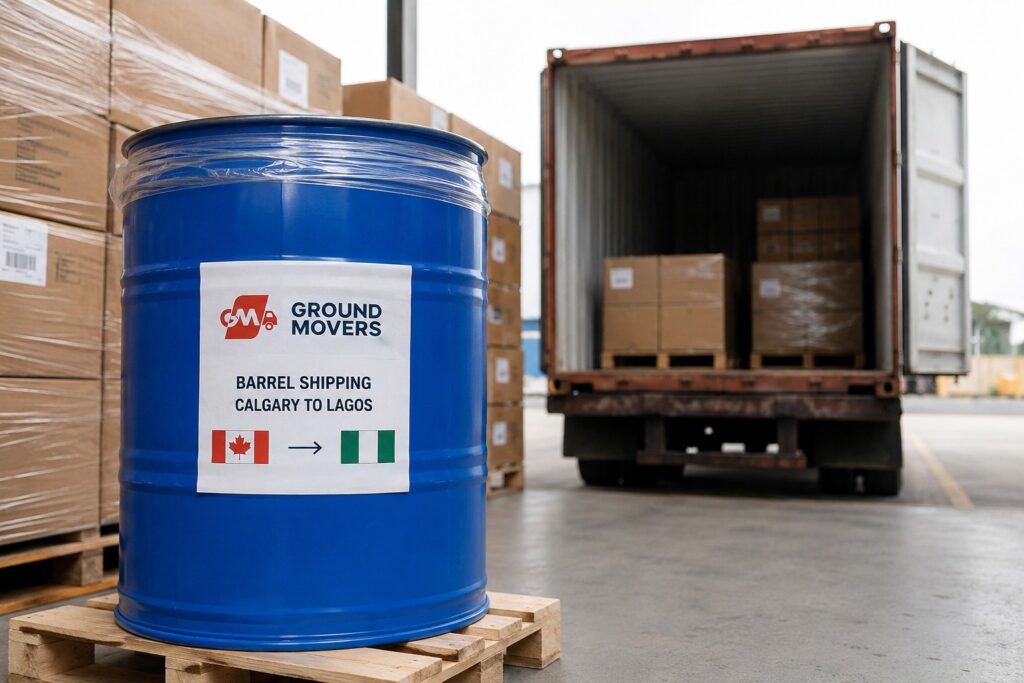
If you’re planning on shipping to Nigeria from Calgary, here are the key points to know before booking your shipment.
| Requirement | Details |
|---|---|
| Customs Clearance | Required for all imported goods entering Nigeria |
| Main Documents | Commercial Invoice, Packing List, Bill of Lading or Air Waybill |
| Commercial Imports | Form M and PAAR are generally required for most commercial shipments |
| Duties & Taxes | Calculated based on the shipment’s classification and customs value |
| Customs Inspection | May be required before goods are released |
| Recommended | Work with an experienced shipping company and licensed Nigerian customs clearing agent |
Why Proper Customs Preparation Matters
Customs clearance is one of the most important stages of international shipping. Even after your cargo arrives in Nigeria, customs must complete its review before your goods can be released. Missing documents, inaccurate cargo descriptions, incorrect values, or missing import approvals are among the most common reasons shipments are delayed. These issues can result in storage charges, additional handling fees, and longer delivery times.
Preparing your shipment before it leaves Calgary offers several benefits.
- Reduces the risk of customs delays.
- Helps prevent unnecessary storage charges.
- Improves delivery timelines.
- Supports compliance with Nigerian import regulations.
- Makes customs inspections more efficient.
Whether you’re relocating your family, exporting commercial goods, or shipping equipment, preparing accurate documentation is one of the best ways to keep your shipment on schedule.
If you’re planning an overseas move, our Door-to-Door International Moving Guide offers additional tips for preparing an international shipment:
https://www.groundmovers.ca/door-to-door-international-moving/
Preparing Your Shipment Before It Leaves Calgary
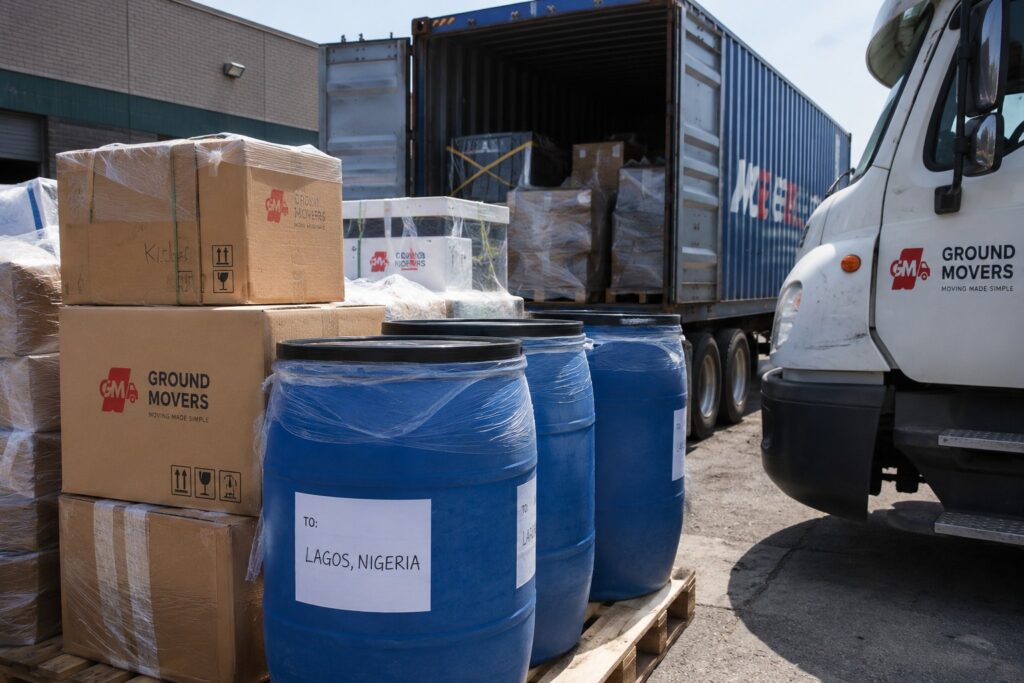
Successful customs clearance begins long before your shipment reaches Nigeria. Proper planning during the export process significantly reduces the likelihood of delays once your cargo arrives. Before shipping, verify that your documents accurately describe every item in your shipment. Product descriptions, quantities, declared values, and shipping information should remain consistent across all paperwork. Even minor discrepancies may trigger additional customs reviews. Professional packing is equally important. Securely packed cargo helps protect your belongings during international transit while making customs inspections easier when required. GroundMovers provides international moving and shipping solutions designed to simplify overseas transportation. Whether you’re shipping a few personal boxes or a full commercial consignment, our team can help prepare your shipment for export from Calgary.
For additional moving advice, explore our collection of expert resources:
https://www.groundmovers.ca/blog/
You may also find these helpful:
- Expert Packing Tips:
https://www.groundmovers.ca/expert-packing-tips-for-a-seamless-move-a-detailed-guide-to-keep-you-organized/ - Freight Forwarders vs. Movers:
https://www.groundmovers.ca/freight-forwarders-vs-movers/
Understanding Nigeria Customs Clearance
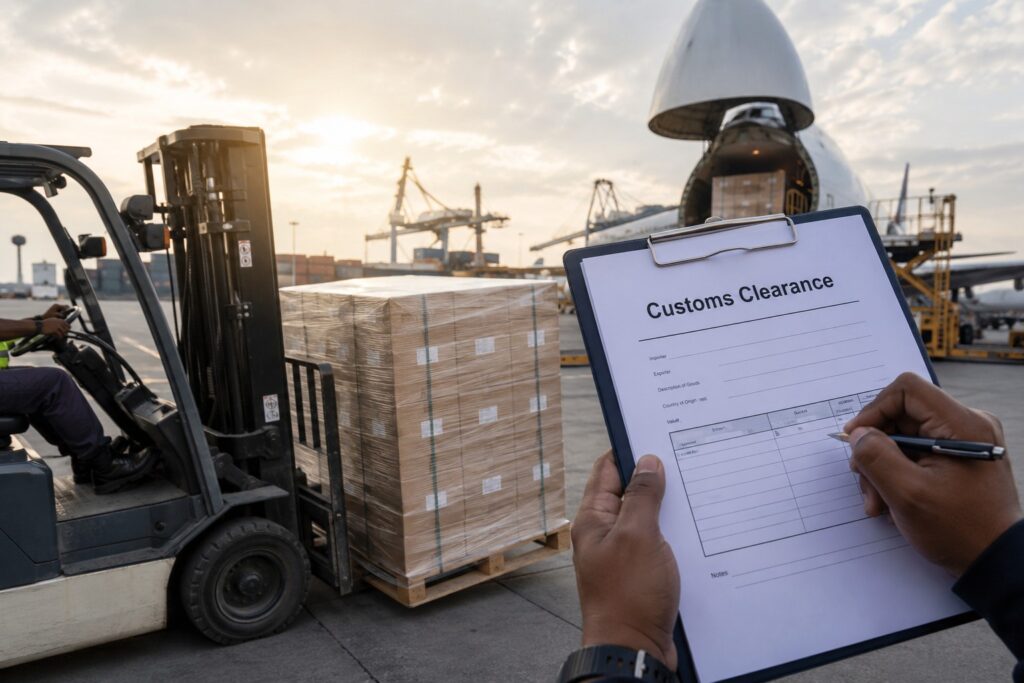
Nigeria Customs Clearance is the process of verifying imported goods before they enter the Nigerian market. During this process, customs officials review shipping documents, confirm the value and classification of the goods, calculate applicable duties and taxes, and determine whether additional permits are required. Depending on the shipment, customs officers may also perform a physical inspection to verify that the cargo matches the accompanying documentation.
For most commercial imports, the customs clearance process generally follows these steps:
- Submit all required import documentation.
- Verify the shipment details.
- Assess customs duties and taxes.
- Conduct inspections if required.
- Pay approved government charges.
- Release the shipment for collection or final delivery.
Because import regulations may change, always refer to the official Nigeria Customs Service for the latest customs procedures, prohibited items, and import requirements: